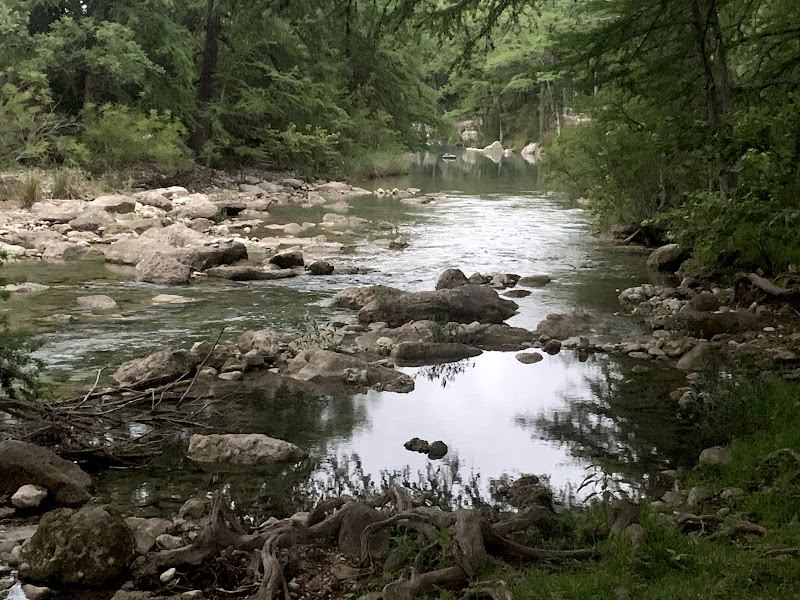
Saving the dying lifeline under Texas.
It can be saved. But only at the scale of the problem.
Read the full story — The dying lifeline under Texas.
Texas is drinking from a well, and the well is going dry.
More than half the water Texas uses comes out of the ground. Under the High Plains, the water table has dropped forty-four feet on average and two hundred sixty-five feet in the worst well. Under Fort Worth and Dallas, it has dropped more than a thousand. Houston has sunk as much as ten feet because the ground beneath it was drained. In 1975 the state surveyed its great springs and found sixty-three of them already dead. Today thirty percent are dry.
The state’s own plan projects the water supply shrinking through 2080 and answers with conservation, reuse, and a few new reservoirs — a hundred-and-seventy-four-billion-dollar program that gets less than four percent of its water from the sea. It is a plan to run out slower.
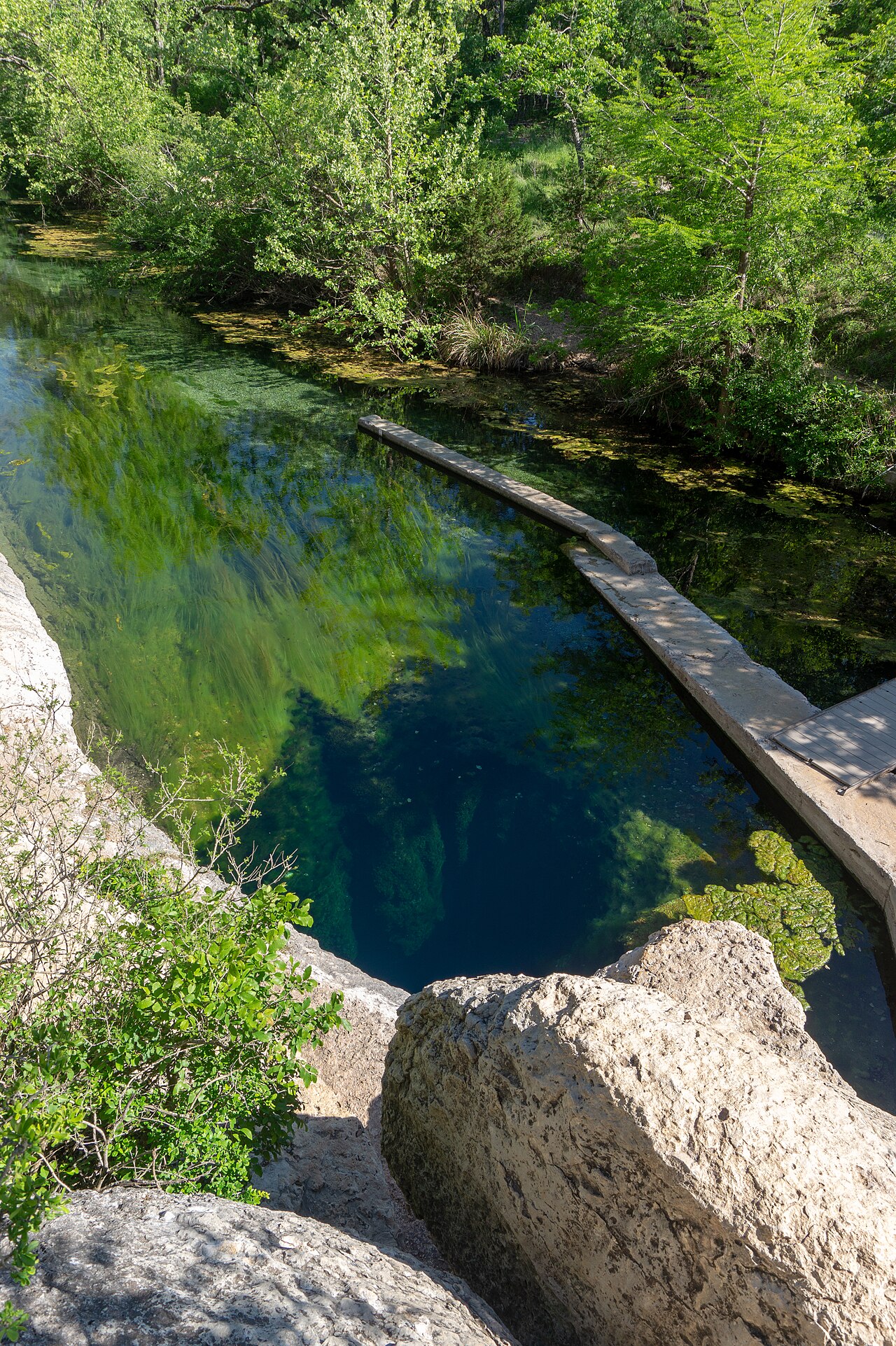
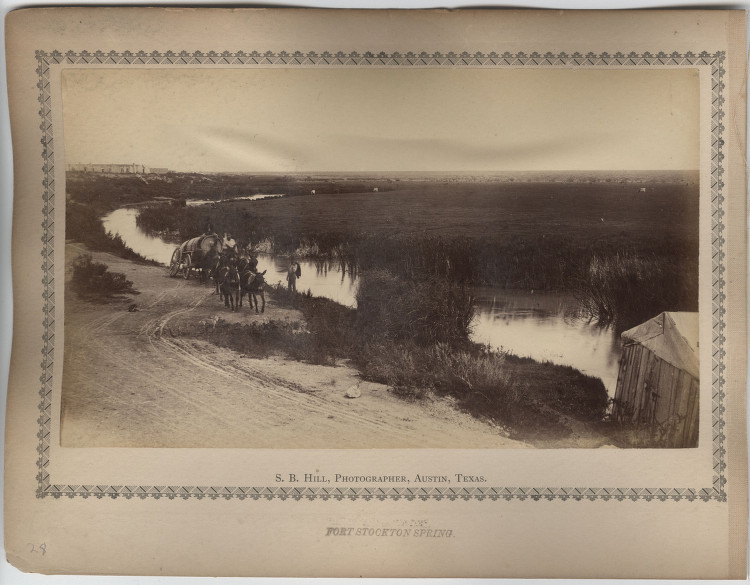
Where does your water come from?
Type your town. See the aquifer under you, the district that manages it, and the wells that draw on it.
Most Texans have never looked.
Unlimited water.
The ocean holds seventy million years of Texas’s water use. Next to it, every well, river, and reservoir in the state is a rounding error. Compared with the Gulf, our water demand rounds down to 0%.
Texas is not slowing down. Its cities are growing, its farms still feed the country, and the companies building artificial intelligence have asked its grid for more new power than it has ever added — because the future being built here needs water for people and for the machines alike.
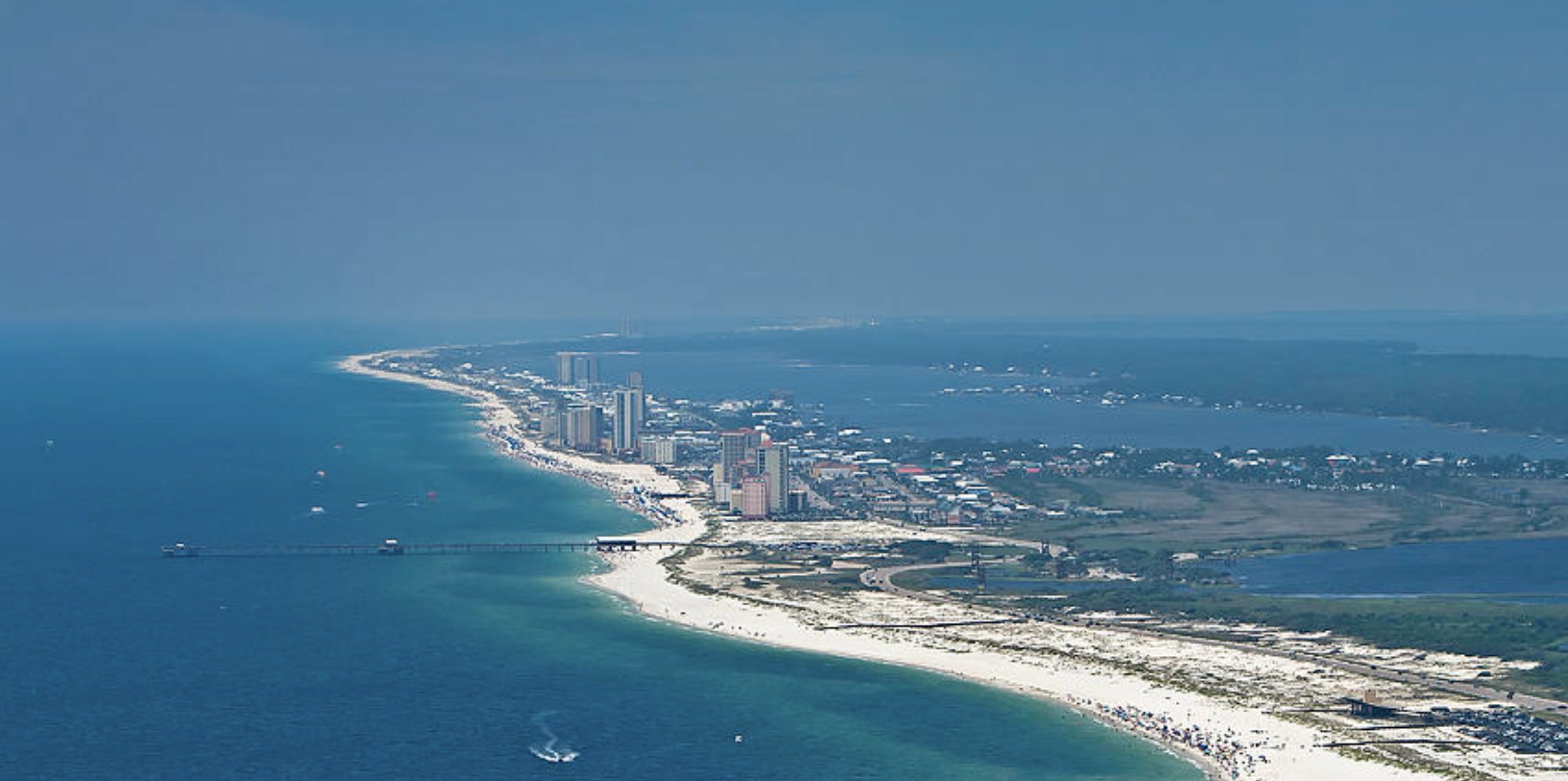
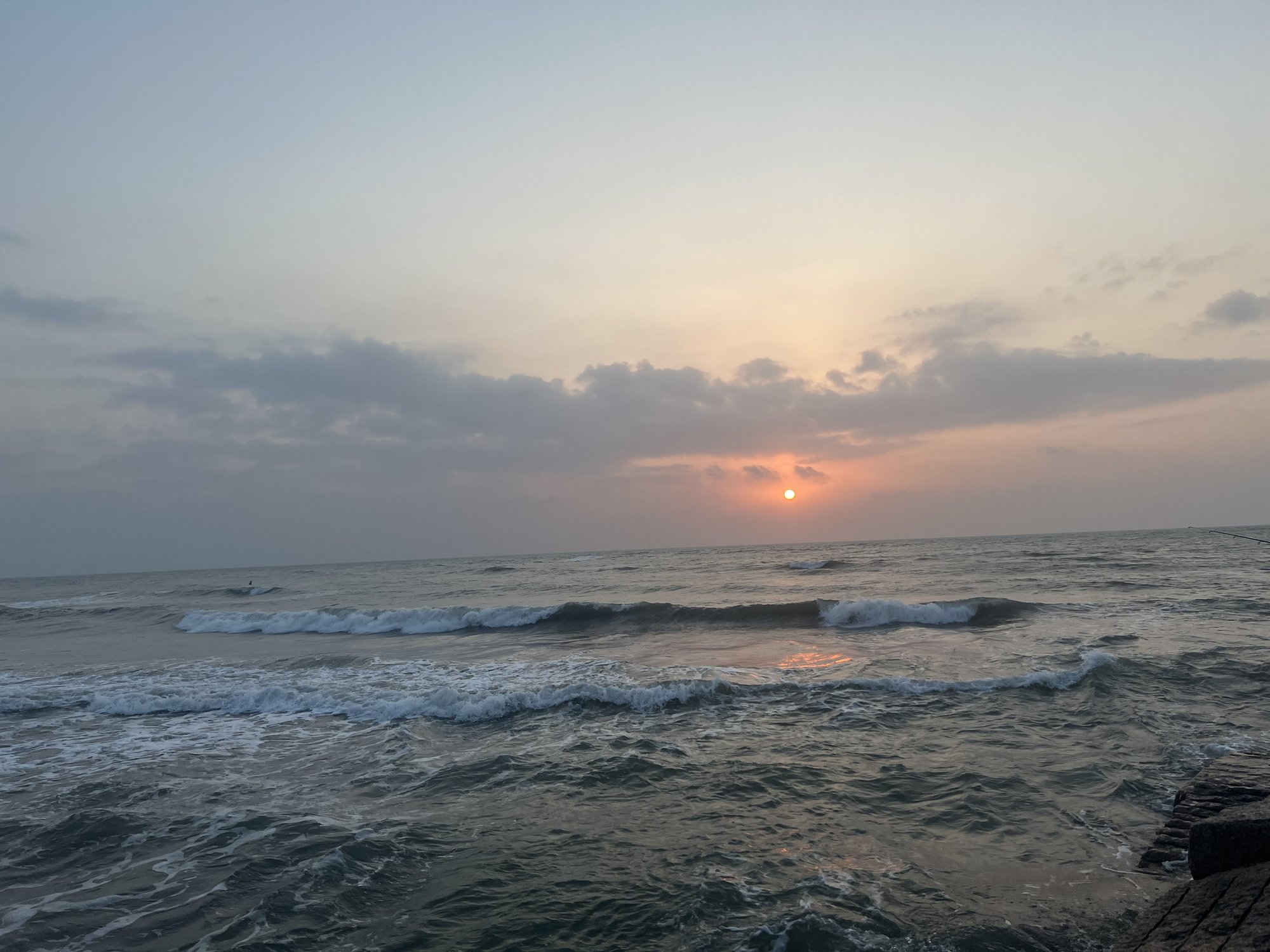
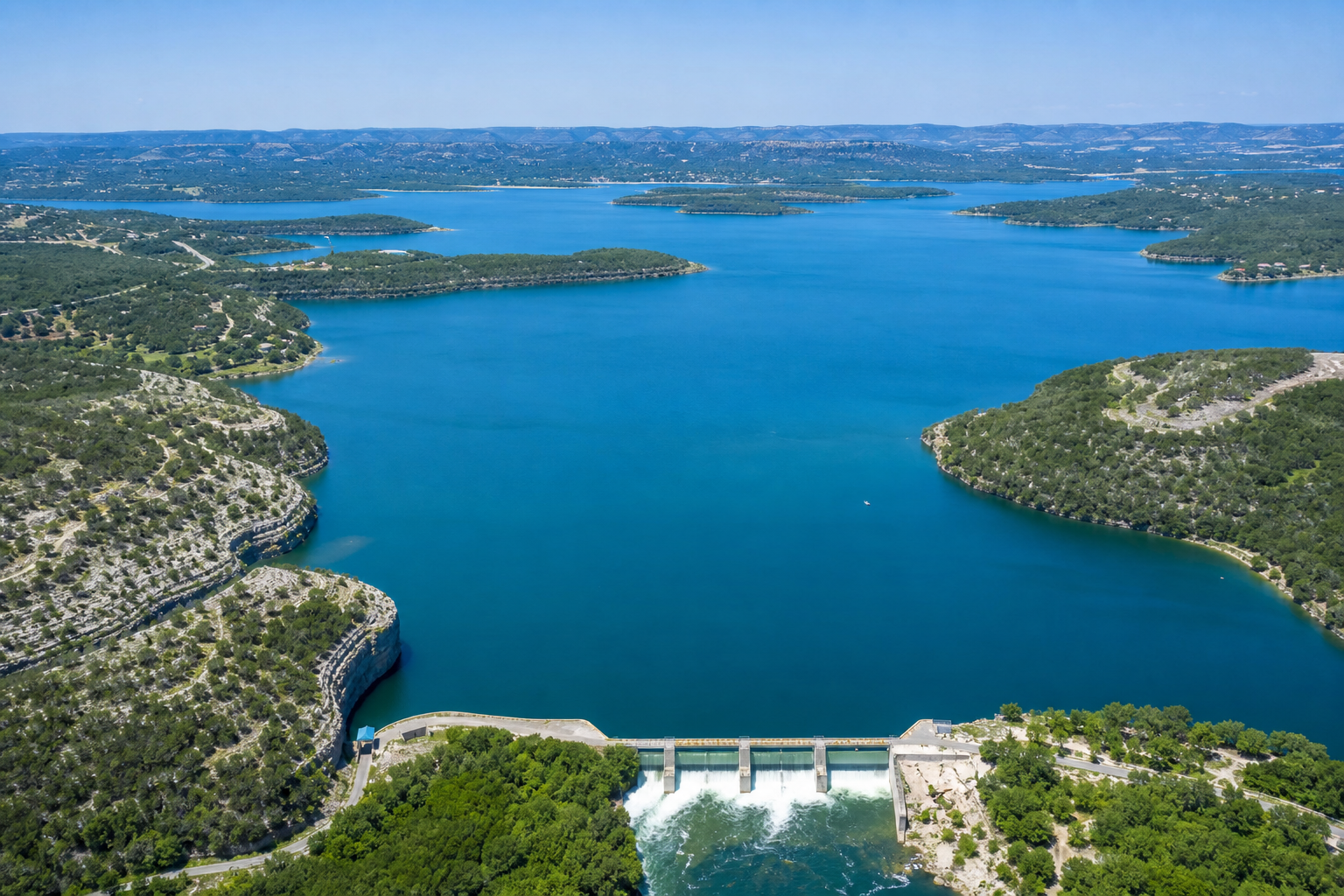
Nothing here has to be invented. All of it has to be built.
Make water from the Gulf with firm power. Carry it inland on the corridors Texas already owns. Move every city and every industry onto it. Leave the ground to the people who live on it.
Make → Move → Restore
The technology exists today.
Israel takes more than eighty percent of its city water from the sea and makes it for about forty cents a cubic meter. Advanced reactors are under construction in America for the first time in a generation, and a four-unit plant is planned on the Texas coast. One three-hundred-megawatt plant can make half a million to seven hundred thousand acre-feet of water a year. The world’s first floating nuclear plant has been on the grid since 2019.
The demand exists today.
The AI companies have asked ERCOT for more than four hundred gigawatts of new load and are signing nuclear power contracts that run into the 2040s. San Antonio already pays sixteen hundred dollars an acre-foot to pipe groundwater in from a hundred and forty miles away. Texas voters approved a billion dollars a year for water through 2047, with seawater desalination written in. The buyers are here. The money is here.
We know the volume.
To stop the water table falling under every major aquifer in Texas takes about 4.7 million acre-feet a year — one and a half trillion gallons. That is the number. It has been measured, well by well, and it is public.
We know the path.
Texas has already surveyed, permitted, and condemned the corridors: highways, transmission lines, railroads, pipelines. Sixty-eight platforms and nineteen thousand miles of pipeline sit in the Gulf with their landfalls already permitted. The water follows rights-of-way that exist today.
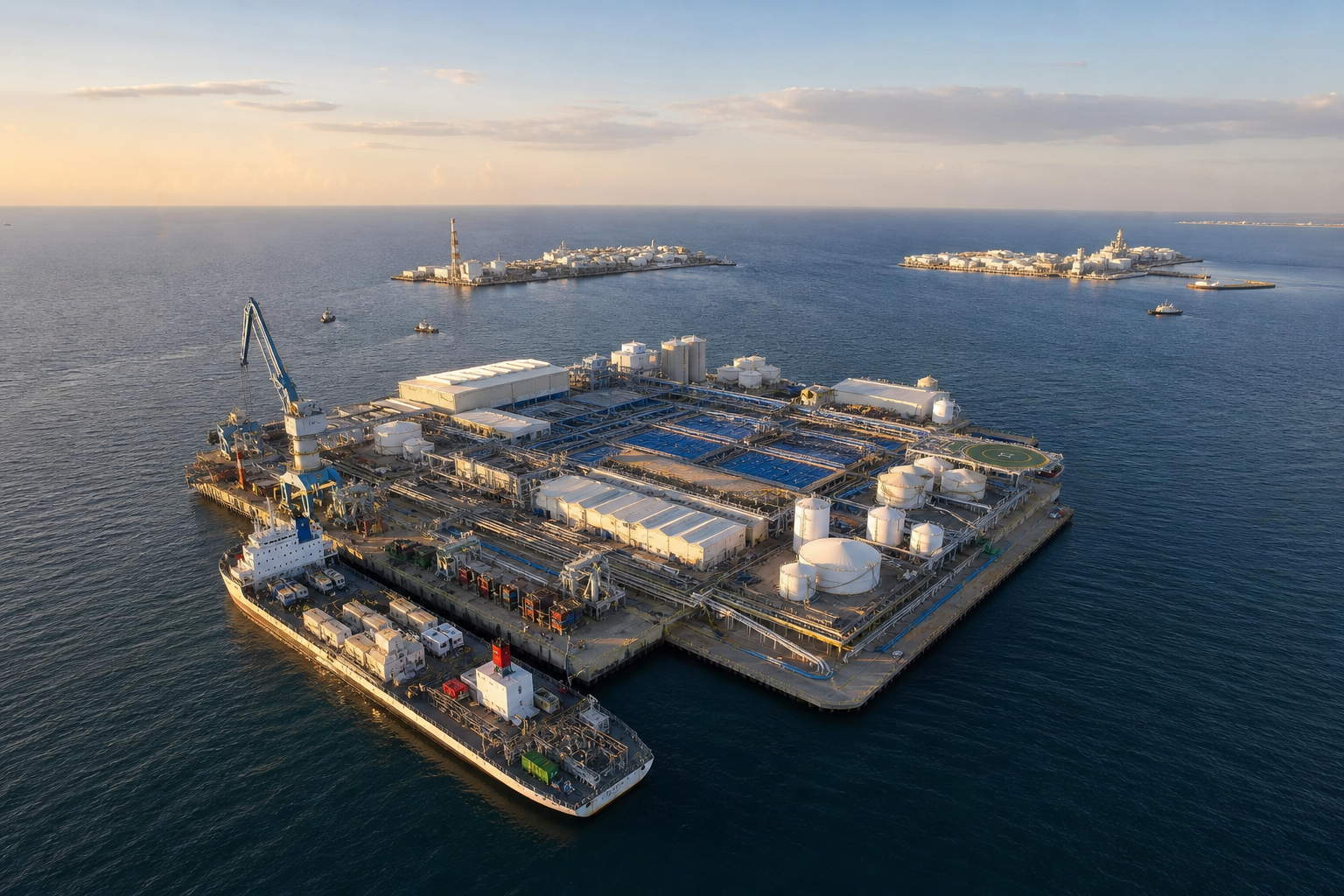
Water from the Gulf.
Firm power on the coast and, in time, offshore, making water the way Israel already does.
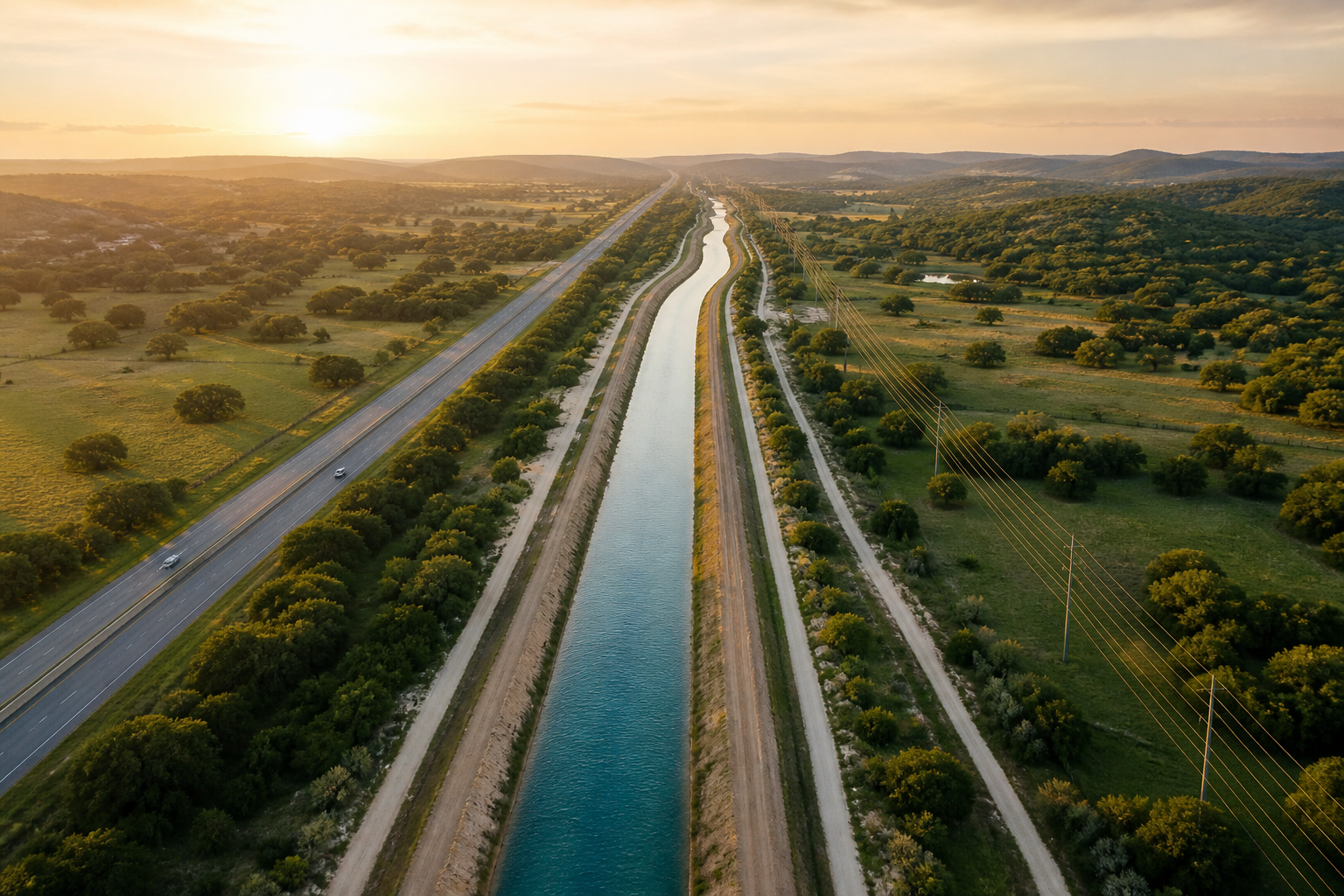
Carried on paths Texas already owns.
Highways, transmission lines, railroads, pipelines — surveyed, permitted, and condemned already.
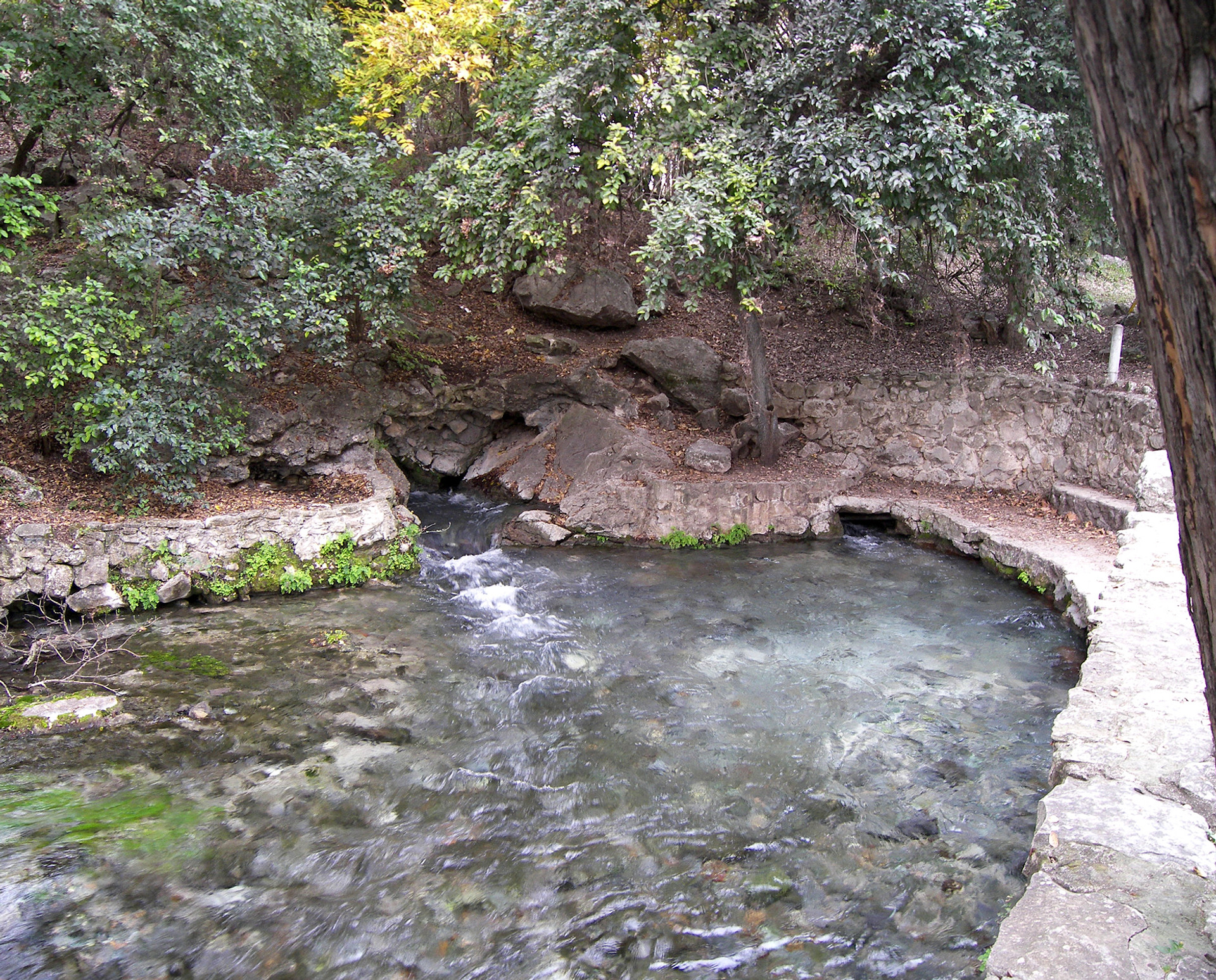
The ground refills.
Cities and industry on delivered water; private wells untouched; every aquifer on a gauge.
Start today. First water by 2030. Every city and industry on the Gulf by 2050.
Israel went from a decision to most of its city water in about fifteen years. Texas has a bigger coast, a bigger energy industry, and a bigger job — so the plan is built in stages, each one paying for the next.
First water flows into the Coastal Bend by 2030. San Antonio, the Edwards, and the Hill Country are on the Gulf by the mid-2030s. Austin and Dallas–Fort Worth follow by the early 2040s. The High Plains are stabilized by 2050. By then every city and every industry in Texas drinks from the Gulf — produced on the coast and offshore, carried inland on corridors that already exist — and the only wells still pumping are private ones on private land, for the families and the stock that live there. The ground refills, and every aquifer in Texas has a gauge, so we will watch it come back.
A Texas that never runs dry.
Rivers that run in August. Springs that flow through a drought. Farms that stay. Towns that do not have to leave. Cities that grow without draining the ground beneath them. Bays that get their river back. Water for the people and the future being built here, with room to spare.
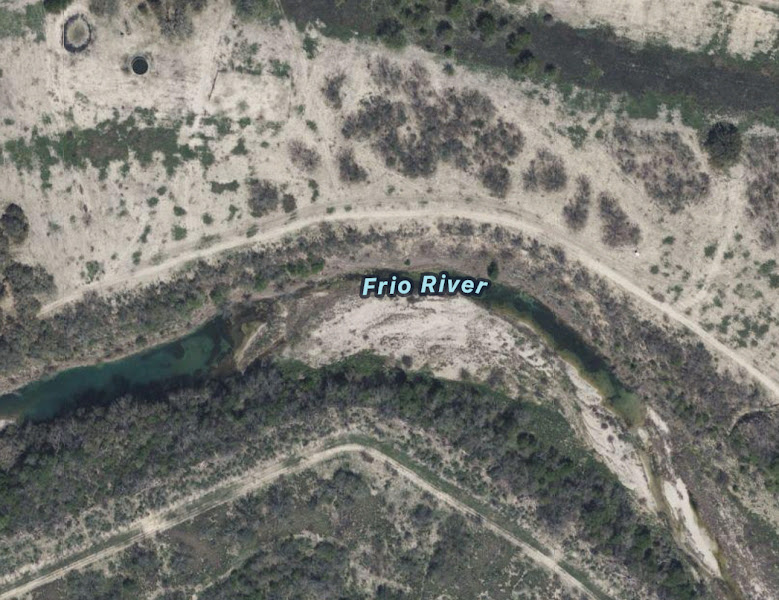
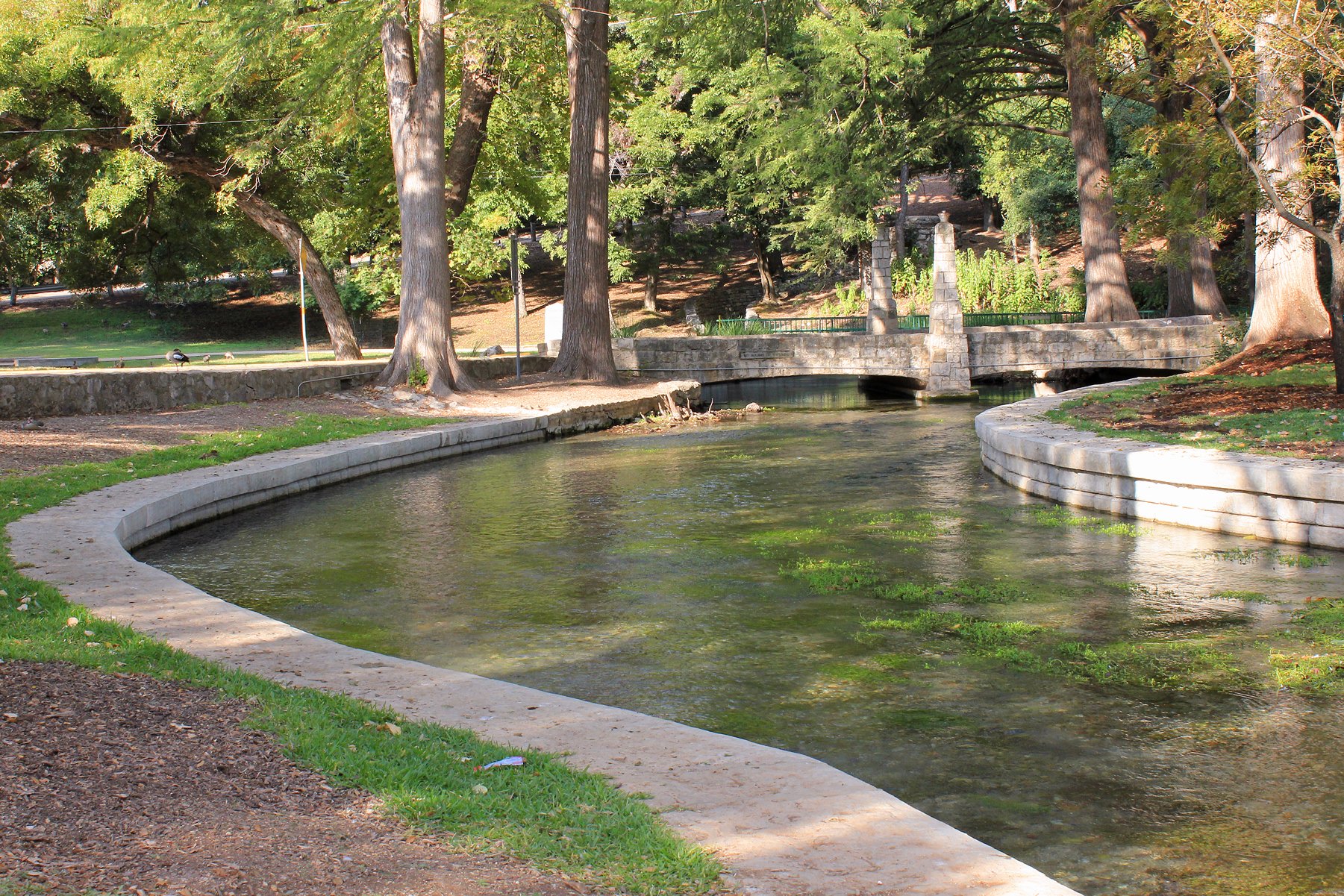
Built like the big things Texas already built.
The demand is private and the money is private. The companies building artificial intelligence need firm power, water, and a state that welcomes them. Give them all three, and ask them to return a share of the energy and the water to the communities that host them.
The state sets the plan, charters the authority, coalesces the capital, creates the marketplace where delivered water is bought and sold, and holds the regulatory backstop that lets the ground rest. That is how the railroads were built, how the atom was split, and how the country got to the moon — private hands, public will.
Nobody loses their well. Homes and stock keep theirs. Large pumping is bought, not banned — and only where delivered water exists, on the model the Edwards Aquifer Authority already runs and Arizona adopted in 1980.
AI and energy companies
Invest in water through energy; get firm power, water, and a state that wants you.
The State of Texas
Set the plan, charter the authority, build the marketplace, hold the backstop.
Communities
Host the plants and the corridors; get the water and the power back.
Texas ran the road to the moon. It can build this. Put your name on it.
Thank you. Your name is on it.
Texas only builds things at this scale when people show up early and say they want it. You just did that. We’ll keep you posted as this moves — and if you can, send it to one person who should see it next.
Tell us where your water comes from
Send it to one person
Want to talk? hello@texasaqueductproject.org
The numbers.
Read the long story. Check the figures. Ask about the ground under you.